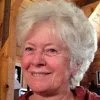
Accommodations as We Age -by Lynn Kloss
I first learned about accommodations in my early thirties when I was diagnosed with MS. The first thing I needed to live the life I had was help with my balance. In the first ten years I used a cane about 60% of the time. I had a cooling vest because when I got hot, I would collapse (figuratively, but sometimes literally) – I learned to avoid heat for my well-being. I was fortunate that my vision was not an issue and that I mostly went on with my life. When my doctor suggested a handicapped placard for my car I resisted. I didn’t want to announce to the world that there was something wrong. In fact, once I finally gave in to the placard, I found that people who didn’t see it and saw me parking in a handicap parking space would occasionally harass me because I didn’t appear disabled. It taught me never to make assumptions about someone’s health – people who need accommodation often look perfectly healthy. It took me years to get over what I thought of as the “stigma” of disability. Now I realize that we all need accommodation from time to time. Perhaps it’s a ride from a friend, or a railing, or a ramp – and when we need it, it is a blessing to have it available.
My early struggles with disability happened forty years ago. Subsequently, I benefited from treatment and rarely need a cane. Now I use hiking poles if my balance feels tenuous. The COVID-19 pandemic opened up many convenient accommodations that I had never considered: telemedicine and home delivery of food and supplies being two of the best. Apps such as Instagram and Door Dash (also Grubhub, UberEATS, etc. - I was so sad to see Nosh go away locally) have made life so much easier. I can save my precious energy for the things that make my heart sing instead of trudging through a crowded store, wearing myself out and cooking when I’m not feeling up to it.
After my granddaughter fell in our home, my husband went on Etsy to order railings that blend in with the décor and also provide a visual clue that there is a step down in a couple of rooms. If you can imagine help – it is out there somewhere. Agencies like Right at Home Northern Colorado, Home Instead, Senior Helpers, Colorado Care-Assist and more are out there to fulfill our needs. Yes, there is a cost involved – but many services may be covered if they are medically necessary.
If you are leery of getting help from strangers – ask friends for referrals and have someone you trust help you explore services. Believe me, I know asking for help can be a huge hurdle. But I have to say that when you need it, suck it up and find it – you will be amazed at how helpful people are, how much accommodations can help, and how they will be a blessing in your life too.

Lynn Kloss retired from a career in employee benefit consulting in 2016. She went back to school after retirement to get her Masters in psychology, with an emphasis on geropsychology. She has volunteered with seniors and dementia patients since retiring. She and her husband moved to Fort Collins in 2023. They love the weather and friendly people of Fort Collins. Lynn currently volunteers at the Aspen Club and the Museum of Discovery.